We usually treat physical health and mental health like two separate departments: a gym membership for one, maybe a therapist for the other, and rarely a conversation between the two. But the body and mind don't run on separate systems. They're in constant contact, whether you're paying attention or not.
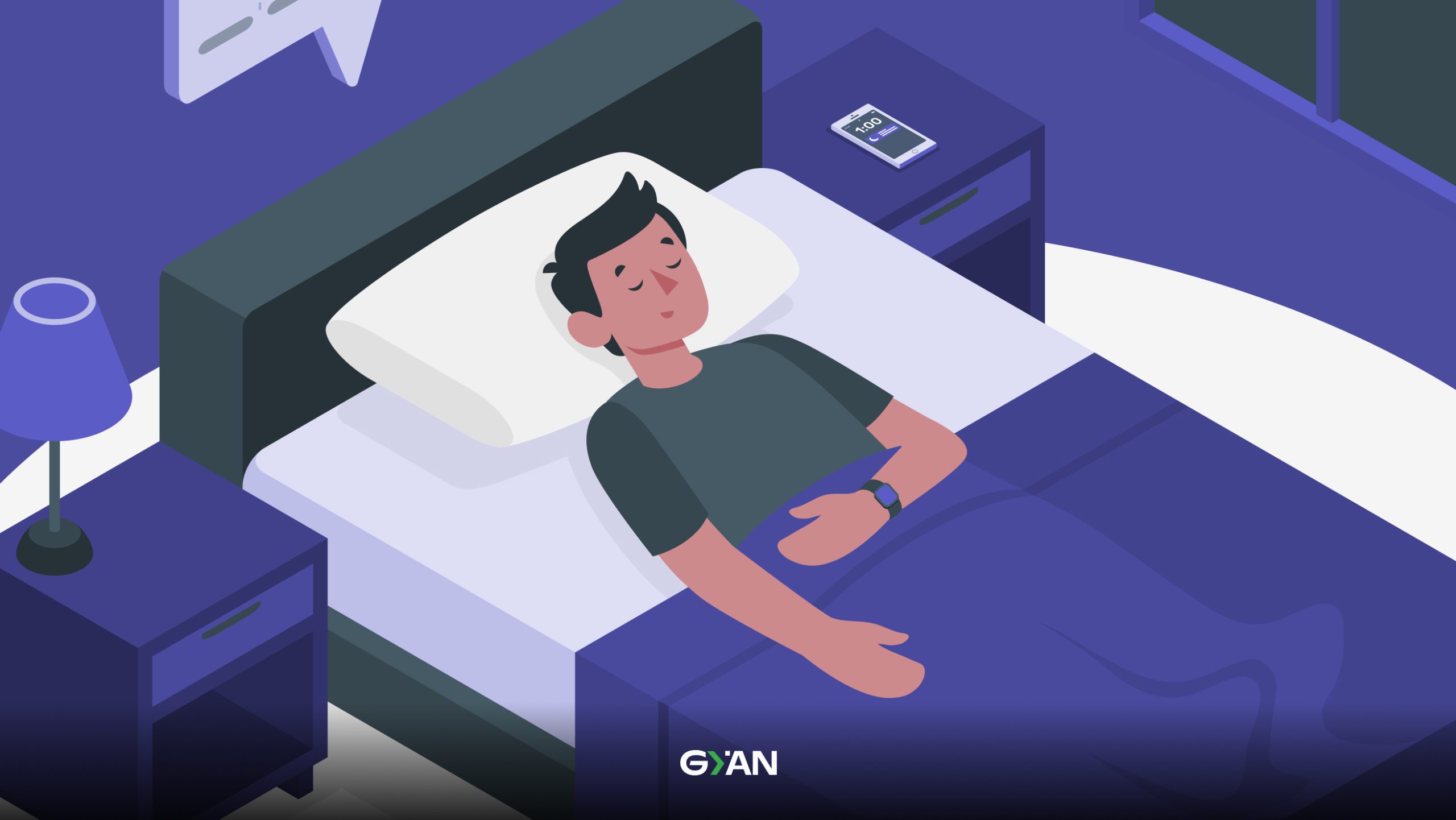
You've probably felt this without naming it. A bad night's sleep makes ordinary annoyances feel unbearable. A short walk clears a mood you couldn't think your way out of. A skipped lunch turns a normal afternoon into one where everything feels slightly harder than it should.
None of these moments get filed under "mental health" at the time. They just feel like a bad day, a short fuse, a bit of fog. But that's exactly what this connection looks like in practice. It's rarely dramatic. It shows up in the small, forgettable moments that add up to how a week actually feels.
Once you start noticing that back-and-forth, you can't really un-notice it. You catch yourself mid-irritation and wonder whether you've actually eaten today. You reach for a walk instead of sitting in a bad mood and hoping it passes. That shift, small as it sounds, is the whole point of understanding this connection.
Why the Mind-Body Connection Matters
This isn't a small thing to understand. It shapes your mood, your focus, how you handle stress, and even the decisions you make under pressure – the kind that feel like they came out of nowhere but usually didn't.
Most people look for answers in the wrong place when things feel off. They question their discipline, their character, or whether they're just "bad" at handling stress. Rarely does anyone stop to ask whether they've slept enough this week, or eaten anything other than coffee before noon. That gap between how we explain our off days and what's actually driving them is worth closing.
Getting a handle on it is less about chasing a perfect routine and more about knowing which small things actually move the needle for your energy, your relationships and the person you're trying to become. Nobody needs a five-part morning routine to feel better. They need to notice the two or three things that quietly run their mood, and start paying attention to those.
How Does Physical Health Affect Mental Health?
The body and mind draw on the same energy. When sleep is poor, meals are inconsistent, or you go too long without moving, that strain doesn't stay physical for long. Over a few weeks, it tends to show up as irritability, low motivation and trouble concentrating.
This isn't a stretch. The World Health Organization links regular physical activity to fewer symptoms of anxiety and depression, and the CDC connects it to better sleep, mood and thinking.
None of this means exercise alone fixes a mental health struggle. It doesn't, and treating it that way sets people up to feel like they're failing at something that was never that simple. What it does mean is that the body is one of the few levers you can actually pull, even on a day when your thoughts feel completely out of your hands. For a closer look at exercise specifically, read how physical fitness improves mental health and reduces stress.
The Connection Works Both Ways
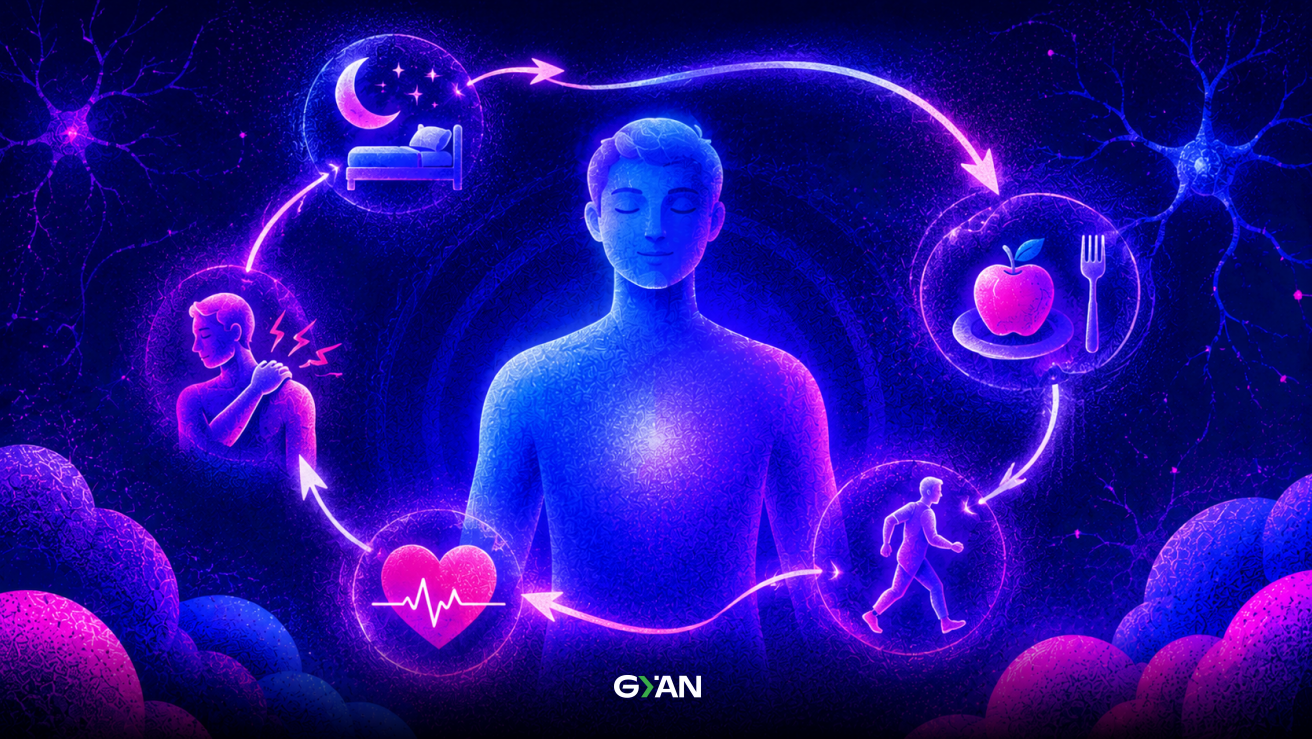
It doesn't stop at physical habits shaping your mood. Your mental state shapes your physical habits too: stress and emotion affect your sleep, your appetite and how much you move. After a hard week, you might stop exercising, skip meals and lie awake at night – which only makes the original stress harder to manage. It's a loop that runs either for you or against you, depending on where you catch it.
Your nervous system doesn't sort neatly between physical strain and emotional strain. A tight shoulder and a tense meeting can trigger a similar stress response in the body. That's part of why people who keep up even small physical habits often say they feel steadier. They're not fixing the emotion directly; they're giving the nervous system fewer reasons to stay on alert.
How Physical Health Affects Mood, Focus and Emotional Well-Being
Energy, comfort, sleep and stress: shift any one of these and your mood tends to follow, usually in ways people don't trace back to the body at all.
- Focus slips when you're physically tired; staying attentive simply costs more than it should.
- Decisions become more reactive under stress and exhaustion: the rushed email, the snapped reply, the corner cut.
- Consistency suffers, because low energy makes it harder to keep up routines you'd normally stick to without thinking.
- Relationships take a hit, since irritability or pulling away changes how you show up for people.
- Resilience – how quickly you bounce back after a setback – depends on the recovery habits you've actually built, not just the ones you know you should have.
This is where personal growth stops being just a mindset conversation. Focus, consistency and steady decisions all draw from the same well as sleep and energy. Someone running on four hours of sleep isn't short on discipline when they lose patience mid-conversation. Their body is working against them, and there's only so much willpower can do about that. If staying focused is a struggle, these ways to improve your concentration can help.
The Role of Exercise and Physical Activity
Exercise and mental health get paired so often that it's easy to stop hearing it. But the mechanism is worth understanding, because it's the reason a 20-minute walk can shift your mood when nothing else worked that day.
Movement gets your blood flowing and shifts the body chemistry behind mood and stress. That's why a walk can genuinely change how you feel, not just distract you from it. The WHO also notes that some physical activity is better than none, which matters more than it sounds, because most people wait for a "real" workout before they count movement at all.
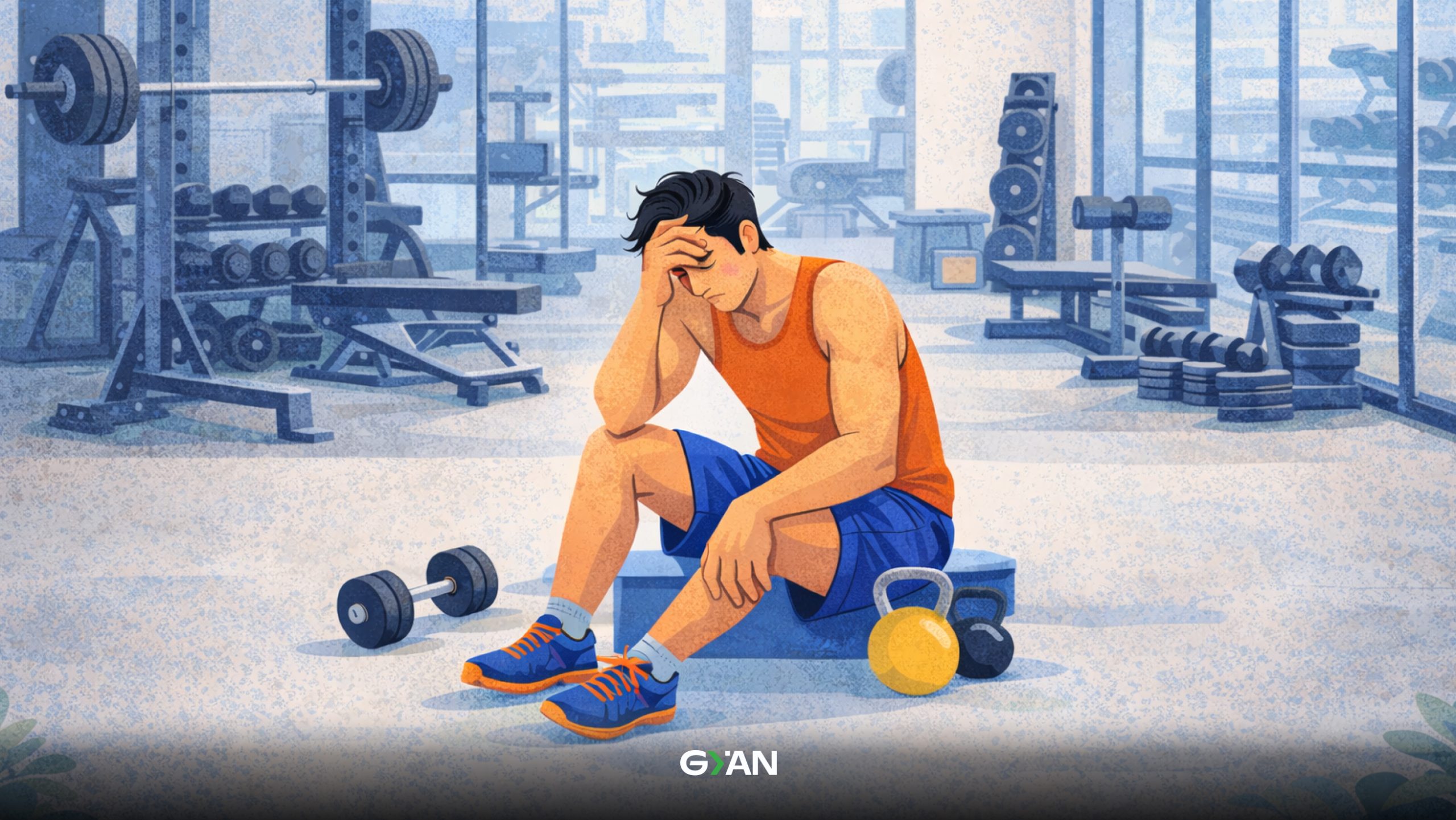
You don't need an intense routine. Walking, stretching, dancing badly in your kitchen, taking the stairs instead of the lift – it all counts. The goal isn't performance. It's showing up regularly, because the benefits build with consistency, not with how hard you push in a single session. If you're starting from zero, this beginner's guide to exercising is a good place to begin. And more isn't always better: here's how overtraining can affect your mental health.
How Sleep and Recovery Affect Emotional Well-Being
Poor sleep makes you more reactive to stress and less able to think clearly the next day, sometimes after just one bad night. That's the short version of how sleep affects emotional well-being.
During sleep, the brain processes the day and consolidates memory, which is part of why problems feel smaller after a good night's rest and bigger after a bad one. The US National Institutes of Health links ongoing sleep deficiency to a higher risk of depression and to problems controlling emotions and behaviour. Read more about the importance of sleep in personal development.
Recovery isn't only about sleep, either. Rest days after physical effort, quiet time after a demanding week, even a five-minute break in a busy afternoon all give the nervous system room to come down from a heightened state. Skipping recovery doesn't make you more productive. It just delays the crash to a less convenient time.
How Stress Affects the Body and Mind
Stress isn't only in your head. It shows up as tight muscles, unsettled digestion, changes in appetite and a weaker immune response. The body's stress response was designed to last minutes, not months, yet chronic stress keeps it braced for a threat that never ends.
A body stuck in that state has less room left for mood, patience or focus. That's probably why people under long-term stress describe feeling emotionally "thin", as if ordinary frustrations suddenly take up more space than they used to. It tends to form a cycle: stress disrupts sleep, poor sleep drains energy and patience, low energy makes good choices harder to stick to, and missed routines feed the stress right back.
Breaking that cycle rarely needs a dramatic overhaul. Often it starts with one small move: an actual break, a conversation with someone you trust, a proper meal, a ten-minute walk, or a boundary around your time that you actually hold. These stress management techniques that actually help and ways to calm your mind in every situation are good places to start.
Healthy Lifestyle and Mental Health: Simple Habits That Support Both
None of this requires an overhaul. Small, repeatable habits do more for both your physical and mental health than the occasional big effort:
- Get outside for 10–15 minutes of daylight, which supports both mood and sleep.
- Eat at reasonably consistent times instead of skipping meals under pressure.
- Move your body every day, even briefly.
- Keep a steady sleep and wake time where you can.
- Take short breaks during long stretches of focused work or stress.
Consistency beats intensity here, every time. A short daily walk does more for your emotional balance than an hour-long workout followed by two weeks of nothing.
How Physical Well-Being Supports Personal Growth
This is where physical health stops being a wellness checkbox and starts touching everything else. A body that's rested, fed and moved regularly has more room for focus, patience and clear decisions. That shows up at work, in disagreements, and in how consistent you can be with the goals you keep setting for yourself.
Recovery habits help you regain your footing after a disappointment, which is really what emotional resilience comes down to. Rest and lower stress make space for decisions that aren't purely reactive. Sustainable routines are what make consistency possible in the first place – keeping the promises you make to yourself instead of just making them. And following through on small physical commitments, again and again, is often where self-trust comes from, long before it shows up anywhere else in life.
Growth isn't about pushing your body until it produces results. It's about learning to work with yourself instead of against yourself – where rest becomes part of the progress, not a break from it, and movement becomes a form of self-support rather than one more task on the list.
Try This: The Mind-Body Check-In
Give this five minutes before you close the tab. Rate each area honestly from 1 to 5, where 1 means it needs attention and 5 means it's genuinely fine right now.
| Area | Your score (1–5) |
|---|---|
| Sleep & recovery | |
| Physical activity | |
| Nutrition & hydration | |
| Stress management | |
| Time to relax | |
| Social connection |
Now sit with three questions:
- Which area scored lowest? Not the one you think should be lowest – the one that actually is. What's been getting in the way of it?
- How is that showing up elsewhere? In your mood, your focus, your energy, your patience with the people you care about. Be specific if you can. "Tired" is fine, but "snapping at small things" tells you more.
- What's one small thing you could do about it in the next 24 hours? Not a plan. Not a new routine. One thing.
Don't try to fix all six areas at once; that's usually how check-ins like this end up ignored a week later. Pick the lowest score and pick one action. If sleep scored 2 out of 5, your action could simply be: "I'll put my phone away 30 minutes before bed tonight." That's it. That's enough to start with.
Your body and mind aren't running separately, whatever the score sheet says. Start with the one number that's lowest, and let the rest follow.
This article is for general information. If low mood, anxiety or poor sleep lasts more than a couple of weeks or starts affecting your daily life, please talk to a doctor or a mental health professional.
Want more practical ways to look after your health and mind? Join us at our upcoming summits.
Explore Summits