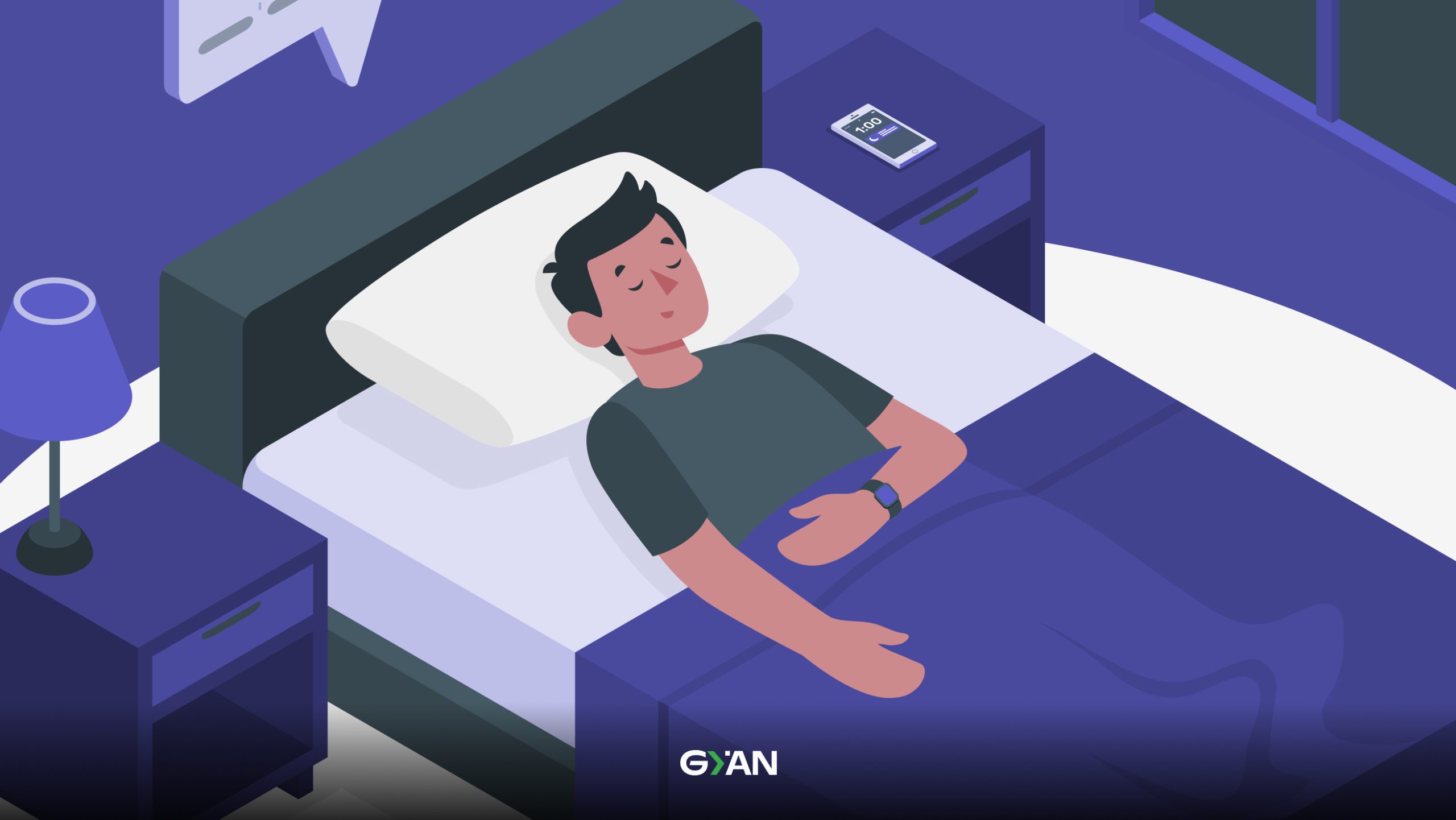
What is the most important activity humans do in their lives? Working? Studying? No. We spend one-third of our lives sleeping. Sleep is the most important activity humans do, yet the most underrated. Who doesn't love to sleep for 8 hours peacefully? We only realize its importance when we don't get enough.
Even though we know we must sleep, we don't know exactly what happens to our body and mind during that time. In the next 5 minutes, you will learn to prioritize your sleep and why it's required for your personal growth.
Why Sleep Is Foundational to Personal Development
When we talk about personal development, topics like discipline, focus, productivity, etc., usually come up. We never speak about sleep. People view sleep as downtime and that no development happens during that time.
But actually, sleep is the foundation of everything. It is an active neurological process that enables:
- Cognitive growth (learning, memory, decision-making)
- Emotional stability (self-regulation, resilience)
- Motivational drive (energy, willpower, persistence)
Sleep directly affects your learning speed, habits, emotions and thinking. Growth happens while you are asleep. When you learn a new skill, your brain builds new connections. If you cut short sleep, you interrupt the brain from forming new neural connections.
What Sleep Does to Your Brain and Body
Understanding the Sleep Cycle
Sleep happens in different stages.
NREM Stage 1 (Light Sleep)
Transition phase from wakefulness to sleep. Brain waves become slow. Muscles relax.
NREM Stage 2 (Preparation Phase)
Body temperature drops. Heart rate slows. The brain begins organizing information.
Deep NREM Sleep (Repair Stage)
This is the physical restoration phase.
- Tissue repair
- Growth hormone release
- Immune strengthening
REM Sleep (Rapid Eye Movement)
Dream-heavy phase. Brain activity resembles wakefulness.
- Memory consolidation
- Creativity
- Emotional processing
A single sleep cycle lasts 90 minutes on average, during which the body progresses through the four stages of sleep. A healthy human adult generally experiences 4 to 6 cycles, totaling about 7-8 hours of sleep.
If you sleep less, you experience fewer cycles. This means fewer repairs and more accumulated fatigue. Urban Indian population tends to sleep late due to social media, OTT platforms, late dinners and extended work hours. Shorter cycles lead to chronic mental fog, reduced motivation and slower skill acquisition.
What Happens to Your Brain While You Sleep
During sleep, the brain activates the glymphatic system, responsible for waste-clearance to flush out metabolic toxins. Without enough sleep, toxins accumulate, cognitive sharpness declines and affects long-term brain health.
When you are in deep sleep, it reorganizes and strengthens neural circuits. This helps us remember things we learn. REM sleep enhances associative thinking. It helps your brain connect distant ideas. Sleep deprivation impairs cognitive function to a degree comparable to mild alcohol intoxication.
The Impact of Sleep on Physical Health
During deep sleep, the body releases growth hormones to repair cells and tissues. It also regulates blood sugar levels, appetite hormones (ghrelin and leptin) and immune responses. Being deprived of sleep increases the risk of obesity, heart health issues, fatigue and low immunity. For someone who wants to grow, sleep is what gives you the energy to move forward.
Sleep and Mental Health Development
Sleep regulates neurotransmitters involved in mood stabilization. Good sleep supports lower anxiety, better emotional regulation and reduced irritability. Amygdala the critical component in processing emotions become more reactive due to lack of sleep. Emotional strenth come from biological stability.
The Role of Sleep in Personal Growth and Success
Sleep directly affects your focus and decision-making capabilities. It is recommended to achieve 7-9 hours of sleep every night to perform well during the day.
When sleep improves, you may notice:
- More productivity
- Better idea quality
- Higher emotional clarity
- More consistent habits
Common Sleep Problems That Block Personal Development
Insomnia:
It is the difficulty in falling asleep or staying asleep. It will lead to a lack of concentration and mood instability.
Sleep Apnea:
Breathing interruptions during sleep. It causes oxygen drops and repeated micro-awakenings. This results in severe daytime fatigue.
Restless Legs Syndrome
For some people, uncomfortable sensations cause the urge to move their legs during sleep. This disrupts deep sleep phases.
If you don't get enough sleep continuously, it can impair your cognitive performance similarly to extended wakefulness.
50–60% of Indians experience some form of sleep disturbance, which silently undermines their performance and growth potential.
How Digital Habits Affect Sleep Quality
The pineal gland in our brains produces a hormone called melatonin. This hormone regulates the sleep-wake cycle by responding to darkness. When you use gadgets at night, the light from the screens suppresses melatonin production. This can make it difficult to sleep.
Scrolling on your phone continuously stimulates your brain and keeps it active during bedtime. This affects your circadian rhythm. Bad digital habits affect life quality in an endless loop acculumalting sleep debt over time.
Practical Tips to Improve Sleep Quality
1. Fix a Consistent Schedule
Aim for 7–9 hours. Sleep and wake at the same time daily, even on weekends.
2. Implement a 60-Minute Wind-Down
No screens. Low lighting. Light reading or journaling.
3. Optimize the Bedroom
- Cool temperature
- Dark environment
- Quiet space
4. Use the 3-2-1 Rule
- 3 hours before bed: no heavy meals
- 2 hours before bed: no work
- 1 hour before bed: no screens
5. Track and Adjust
Use sleep tracking apps to monitor sleep patterns. Adjust caffeine timing and evening habits accordingly.
Conclusion
People think working late hours and hustling is personal development. But sleep is the fuel to keep you going. If you don’t recharge yourself, you are going to burn out. Never compromise on your sleep. Work hard. Rest well.
