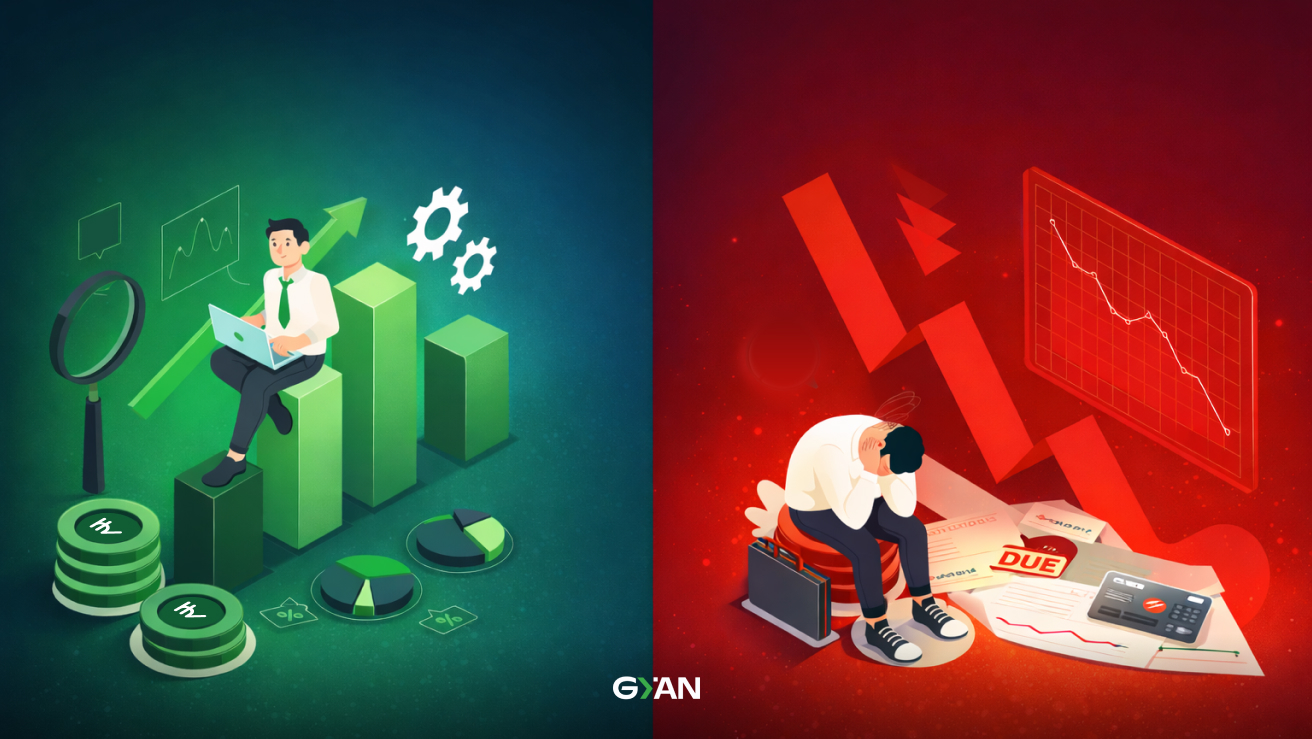
Worrying about bills, rising expenses, EMIs, or an uncertain income can make us feel stressed and exhausted. You may find yourself overthinking every expense, delaying decisions, or feeling anxious about the future. If this sounds familiar, you’re not alone. Millions of people experience financial stress, regardless of how much they earn. The good news is that money stress doesn’t have to control your life. With the right approach and small, practical steps, you can regain clarity and confidence.
This guide explores 8 practical ways to manage financial stress, designed to help you regain confidence, make smarter decisions, and control your finances. Because money management isn’t just about earning more, it’s about reducing stress and building stability.
What is Financial Stress?
Financial stress is an emotional strain and mental pressure caused by money-related challenges. It often arises when expenses exceed income, debt management feels overwhelming, savings are insufficient, or future financial security seems uncertain. It impacts your thoughts, behavior, health, and overall well-being. People experiencing financial stress may feel anxious, restless, distracted, or constantly worried about meeting daily needs and long-term goals.
Over time, it can lead to reduced productivity, strained relationships, and poor decision-making. Financial stress can affect anyone, regardless of income level, and is often caused by life events such as job loss, medical emergencies, rising living costs, or lack of financial planning. Understanding what financial stress is and how it shows up in your life is the first step toward managing it effectively and regaining a sense of control and confidence over your financial future.
Common Causes of Financial Stress
Understanding what triggers financial stress is the first step toward managing it. Some of the most common causes include:
- Rising living costs and inflation
- Job loss or irregular income
- High levels of debt or EMIs
- Lack of savings or emergency funds
- Medical expenses or family responsibilities
- Poor financial planning or budgeting
- Lifestyle pressure and comparison
Learning how to handle financial stress starts with understanding your income, expenses, and taking small, consistent steps toward better money control.
Often, financial stress builds gradually. Small issues go unaddressed until they feel too big to manage, creating anxiety and avoidance. But effective savings strategies can help overcome the money problems and help in financial stress management.
How Financial Stress Affects Your Life?
Following are the ways on how financial stress affects your life, take a look:
- Mental health: Constant financial stress can lead to anxiety, overthinking, fear, and a feeling of being mentally drained.
- Emotional well-being: Financial pressure may cause irritability, frustration, mood swings, or a sense of helplessness.
- Physical health: Ongoing stress can result in headaches, fatigue, high blood pressure, poor sleep, and low energy levels.
- Work performance: Difficulty focusing, reduced productivity, lack of motivation, and burnout are common effects.
- Decision-making: Stress often leads to impulsive or poor financial choices, such as unnecessary spending or avoiding bills.
- Relationships: Money management problems can create conflicts with family, partners, and friends, leading to tension and misunderstandings.
- Confidence and self-esteem: Struggling financially may make you doubt yourself and feel less confident about your abilities.
- Daily life: Enjoyment of everyday activities reduces as most thoughts revolve around money worries.
- Long-term goals: Financial stress can delay important goals like saving, investing, or planning for the future.
When Should You Seek Professional Help?
Common signs of financial stress include constant worry about money, difficulty sleeping, avoiding bills, and feeling overwhelmed by expenses. Following are the signs that indicate the need for seeking professional help, take a look:
- Constant worry or anxiety about money that affects your sleep, focus, or peace of mind.
- Feeling overwhelmed by debts and unsure how to manage or repay them.
- Avoiding bills, bank statements, or financial conversations out of fear or stress.
- Frequent emotional reactions such as frustration, guilt, panic, or irritability related to money.
- Financial stress starting to affect your work performance or daily productivity.
- Ongoing conflicts with family or partners due to money issues.
- Repeatedly using credit or borrowing money to manage basic expenses.
- Lacking a clear financial plan and feeling stuck or confused about next steps.
- Major life changes like job loss, medical emergencies, or sudden income reduction.
Find Financial Help & Money Resources
India
SEBI Investor Education & Protection Fund (IEPF), RBI Financial Literacy Centres (FLCs), National Centre for Financial Education (NCFE) includes DICGC-supported banks, credit counseling centres, and NGOs, Government Portals & Schemes such as MyGov, Pradhan Mantri Jan Dhan Yojana (PMJDY) and SEBI-registered advisors and Certified Financial Planners (CFPs).
financial stress and how to manage it effectively
