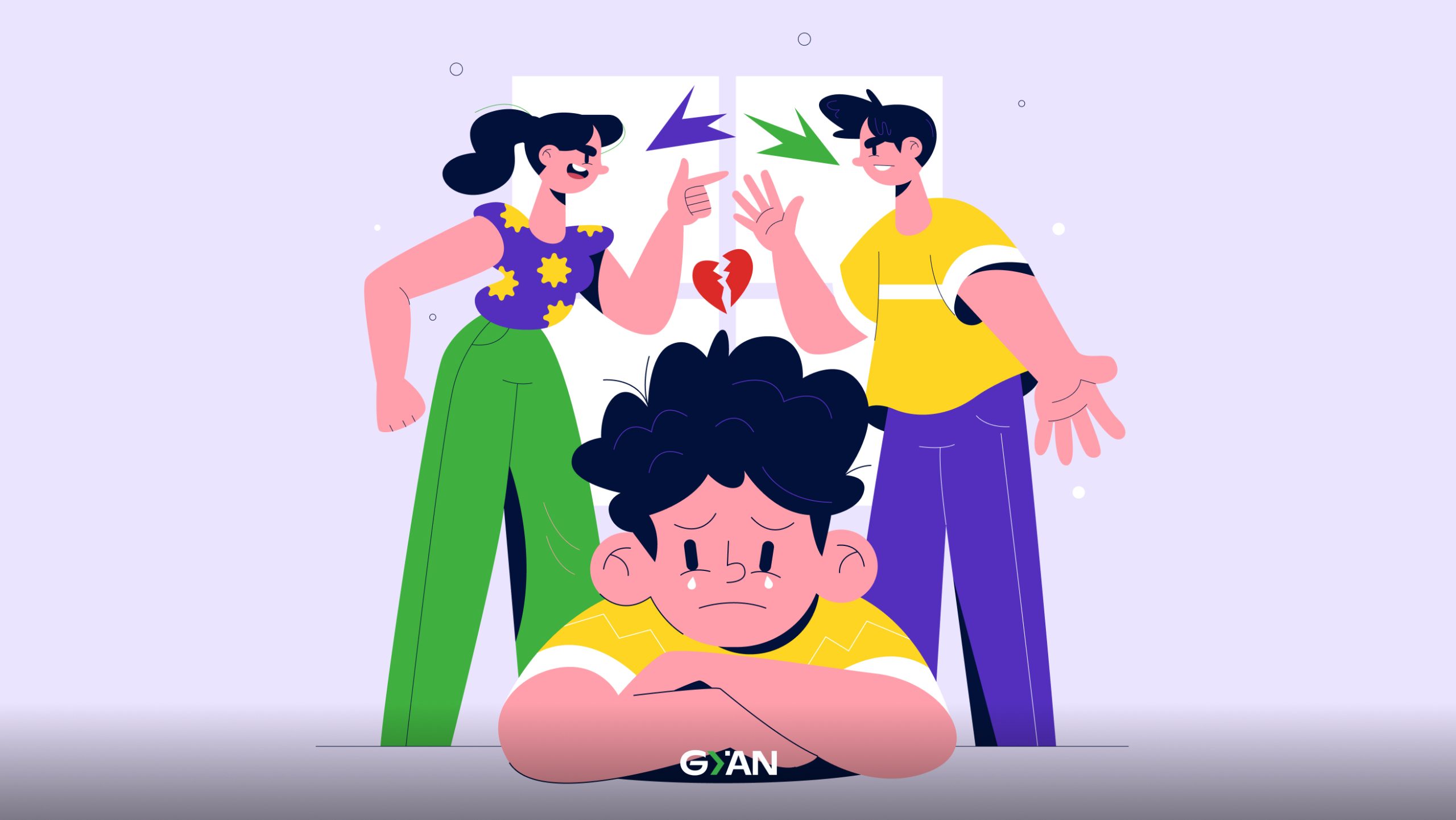
The relationship between a parent and a child is always unique and special for both. It earns nurturing without demands and love that is always gentle. As the child grows older, they start to exhibit their true nature and qualities that give them an identity.
Sometimes, parents find it difficult to accept how quickly their children are growing. As a result of the lack of acceptance, they start to restrict them in many ways. They seldom realise that such parenting behavior may actually influence the child’s behavior, causing long-term emotional impact.
Every parent has a unique parenting style. It may come from their childhood experiences, or a new style that they want to adapt for their kids, according to the current generational needs. When children commit mistakes, parents don’t intentionally punish them or hurt them. Instead, they just want their children to learn from their mistakes and stay away from repeating them again.
But when it goes overboard, parents may unknowingly engage in harmful parenting behavior causing psychological impacts on their children. That’s when it leads to parenting mistakes.
Top 10 Parenting Mistakes to Avoid
1. Yelling or Shaming in the Name of Discipline
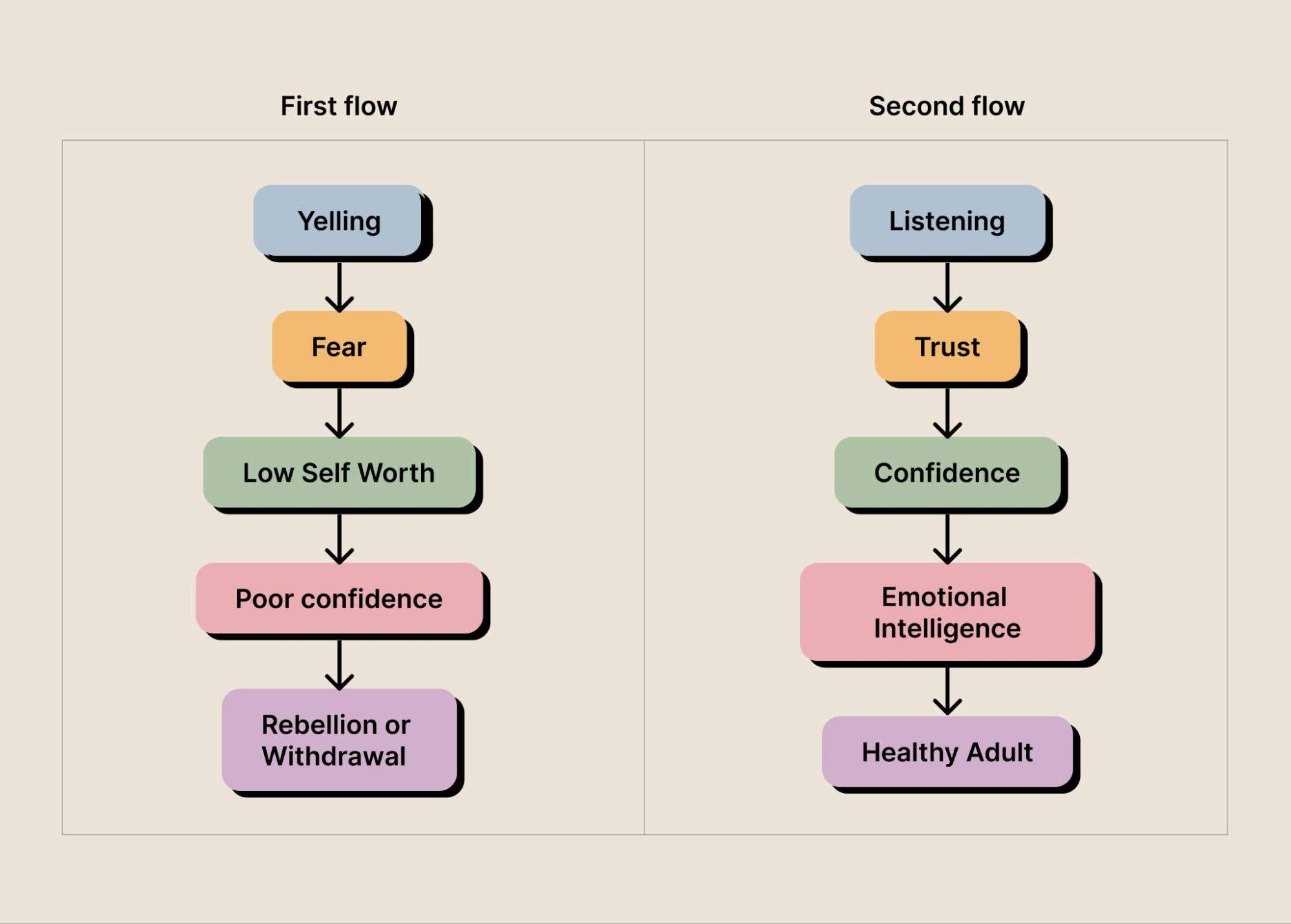
Disciplining a child must always be gentle and constructive. Just because the child has provoked your anger does not mean you have to yell at them or shame them. This form of emotional abuse in parenting develops a sense of unworthiness within the child, and it deeply affects the child’s emotional well-being.
| Yelling or Shaming | Healthy Discipline |
|---|---|
| Using harsh tones verbally with an increase in voice, without addressing the core issue. | Gently explaining the situation to the child to make them understand where they went wrong. |
| Creates fear and trauma, which indirectly affects mental well-being. | Creates awareness and learning to improve themselves. |
2. Comparing Them to Others
Comparison arises when your kids don’t meet your expectations. You automatically compare kids who excel in something that your kid lack in. This comparison develops a feeling of inferiority and negatively impacts confidence and child psychology parenting outcomes.
3. Ignoring Their Emotions
Parents tend to be busy individuals with work and family to balance. After the child becomes a teenager, attention shifts to their academics and career. The pressure increases, leading parents to ignore the child’s emotions. Emotions are only felt and may not be expressed often. When the child is not heard, it may result in shutting down their emotions. This affects building emotional intelligence in children.
4. Using Fear, Threats or Punishment as Control
Children need a certain level of control from their parents. It can help them learn discipline and grow in obedience. But when parents use fear, threat or punishment as a tool to bring about control over the child, then it directly affects the child’s mental health.
5. Labelling the Child
Calling out children based on the way they behave, such as naughty, lazy, etc., can easily register in their minds. Without realising, it creates an insecure feeling that they are not enough or that they are less capable of doing normal things. As they grow up with this feeling, their performance in academics may deteriorate. Over time, this shapes identity and shows how parents affect child behavior in the long run.
6. Overcontrolling Every Decision
Children after a certain age and in their early adulthood should be given the freedom to make decisions. When parents control their decisions, it has the potential to make them rebellious, which may reflect in flawed character development. It may also lead to taking wrong decisions without proper counsel. Gently instructing them and allowing them to make smaller decisions gives them independence through positive parenting techniques.
7. Expecting Perfection
No human is perfect. All men tend to make mistakes. Parents cannot expect their kids to be perfect in everything they do, in academics, sports, personal behavior, etc. Committing mistakes creates space for learning. When you expect perfection, you are imposing the quality of being a perfectionist, which is the most common parenting mistake to avoid.
8. Dismissing Mental Health Concerns
Children, since they are prone to school environments, might not be safe all the time from abuse, ill-treatment, isolation, etc. Dismissing these concerns creates a negative parenting impact on mental health. They might feel afraid to talk about it to their parents or a counsellor. Being a friend to your child can help them open up to you faster about issues they face and seek proper guidance and help.
9. Using Love as a Reward or Punishment
Love is a language that every heart can understand. Expressing love helps children grow in a loving environment free of judgment and criticism. Using love as a reward for good behaviour or withdrawing it for mistakes is harmful and can become emotional abuse in parenting.
10. Not Modelling the Behavior They Expect
Children follow in their parents’ footsteps. From a young age, they learn from observing and hearing their parents’ conversations. Modelling the behaviour parents expect plays a vital role in building emotional intelligence in children and healthy development.
Parenting Impact Matrix
| Parent Behavior | Child Emotion | Long-term Outcome | Better Alternative |
|---|---|---|---|
| Over-controlling | Unheard and rebellious | Poor decision-making | Guide decisions and allow age-appropriate independence. |
| Comparing the child to others | Inferiority, jealousy and frustration | Hinder natural growth and development | Celebrate your child’s achievements and progress. |
| Yelling or shaming | Unworthiness, fear, shame | Low self-worth and trauma responses | Gentle, constructive discipline with polite explanation. |
| Dismissing mental health concerns | Isolation | Reluctance to seek help, shutting down | Be emotionally available and seek support when needed. |
| Expecting perfection | Fear of failure, feelings of pressure | Burnout | Encourage learning through mistakes. |
What Parents Can Do Starting Today
Pause Before Reacting
You must have heard the phrase “think twice before you speak”. The same can be applied when it comes to reacting to your child’s mistake. If an action provoked your anger, practice pausing and analysing the situation rather than reacting to it immediately. Gently explain to the child about the mistake that was committed. Using a polite tone has more chances of helping the child listen and learn from the mistake.
Name Emotions Instead of Judging Behavior
Talking about what the child is feeling instead of labelling them will make them feel understood. This shifts the moment from blame to connection. It allows you to talk about what’s underneath the child’s behavior. The child starts to feel heard and addressed, helping them to bond well with you rather than being afraid of being judged.
Replace Punishment with Guidance
Replace punishments with teaching moments. This keeps the connection intact and helps the child learn skills like self-control and responsibility that will last beyond the situation. Teaching them how to navigate the situation guides them toward a better choice next time.
Repair After Mistakes: Apology Matters
Apologizing to our children might seem one of the hardest things to practice as parents. But it keeps you humble and accountable. When we take the initiative to set things right, the child feels welcomed again into the relationship. Apologizing to our children opens space to be vulnerable with them. It indirectly teaches them apologetic behaviour.
Parenting Self-Check: Have I Done Any of These?
- I raise my voice when frustrated.
- I compare my child to siblings or peers.
- I dismiss their feelings as “dramatic”.
- I threaten consequences I don’t follow through on.
- I label behaviors instead of addressing emotions.
- I expect maturity beyond their age.
- I struggle to apologize to my child.
- I prioritize obedience over understanding.
- I react before listening.
