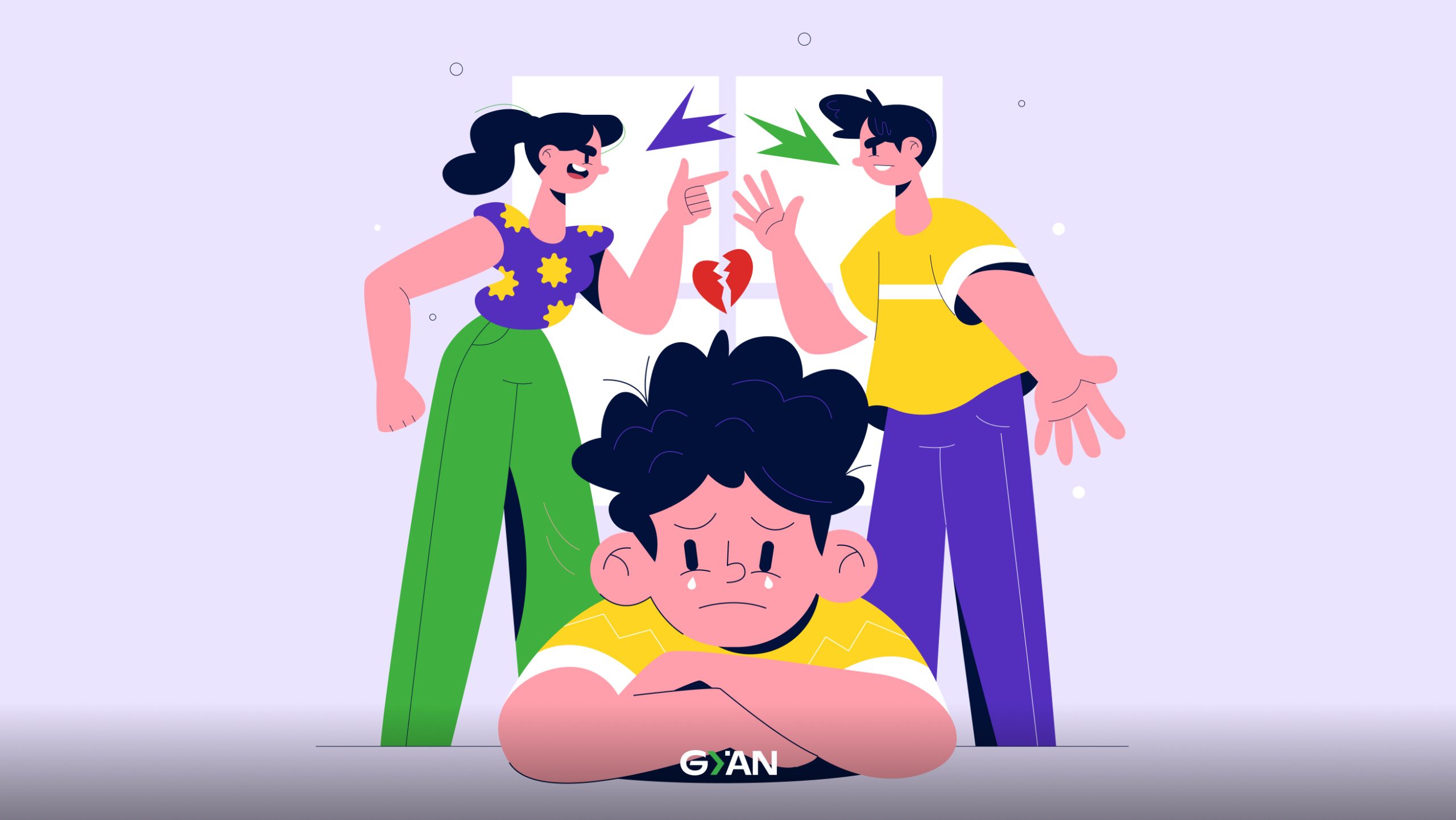
The relationship between a parent and a child is unique and special. It is built through nurturing, trust, and gentle love. As children grow older, they begin to express their true nature and develop qualities that shape their identity.
Sometimes, parents find it difficult to accept how quickly their children are growing. Without realising it, they may begin restricting them in ways that affect the child’s behaviour and create a long-term emotional impact.
Every parent has a unique parenting style. It may come from their own childhood experiences or from a new approach they want to adopt according to the needs of the current generation. When children make mistakes, parents usually do not intend to hurt them. They want their children to learn and avoid repeating the same behaviour.
However, when discipline goes too far, parents may unknowingly engage in harmful parenting behaviour that creates psychological and emotional consequences. That is when discipline turns into a parenting mistake.
Top 10 Parenting Mistakes to Avoid
1. Yelling or Shaming in the Name of Discipline
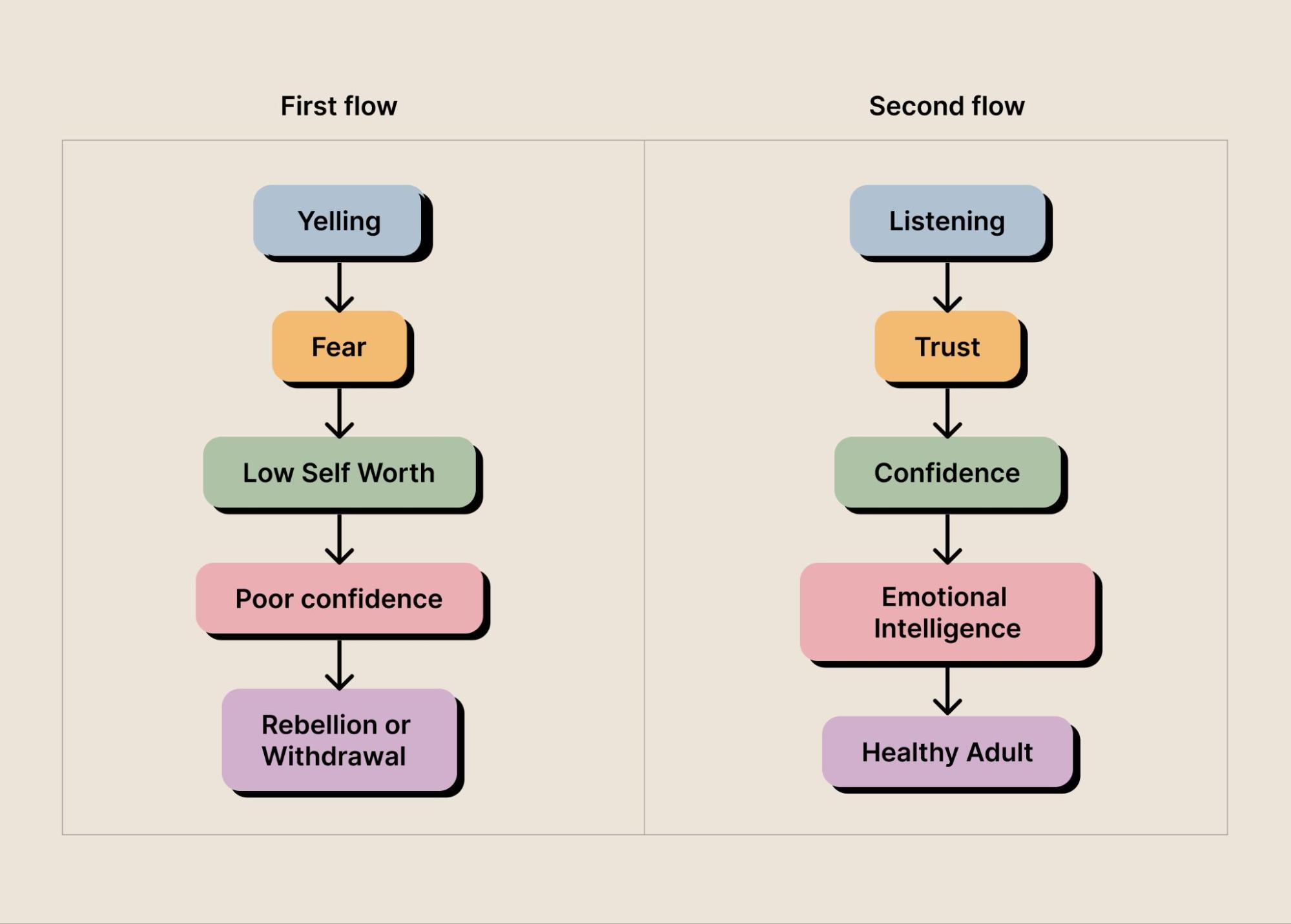
Disciplining a child should always be gentle and constructive. Just because a child has provoked your anger does not mean you have to yell at or shame them. This form of emotional harm can create a sense of unworthiness and deeply affect the child’s emotional well-being.
| Yelling or Shaming | Healthy Discipline |
|---|---|
| Uses harsh language or a raised voice without addressing the core issue. | Gently explains the situation so the child understands where they went wrong. |
| Creates fear and trauma that may affect mental well-being. | Creates awareness and helps the child learn how to improve. |
2. Comparing Them to Others
Comparison often begins when children do not meet their parents’ expectations. Parents may automatically compare them with siblings, classmates, or other children who perform better in a particular area.
This can create feelings of inferiority and negatively affect confidence. Every child develops at a different pace and has a different set of strengths. Encouragement supports healthy growth, while comparison may make children feel that they are never good enough.
3. Ignoring Their Emotions
Parents are often busy balancing work and family responsibilities. As children become teenagers, attention may shift towards academics and career planning. This pressure can cause parents to overlook the child’s emotions.
Emotions may be deeply felt even when they are not openly expressed. When children do not feel heard, they may begin shutting down emotionally. Listening without immediate judgement is an important part of building emotional intelligence in children.
4. Using Fear, Threats, or Punishment as Control
Children need age-appropriate boundaries and guidance. These can help them learn discipline, responsibility, and respect. However, when fear, threats, or punishment become the main tools used to control a child, their emotional safety may be affected.
Discipline should help a child understand the consequence of an action, not make them afraid of the parent.
5. Labelling the Child
Calling children names based on their behaviour, such as “naughty,” “lazy,” or “difficult,” can become deeply registered in their minds. Without realising it, children may begin to believe that these labels define who they are.
This can create insecurity and make them feel less capable. Over time, repeated labels may shape their identity, affect academic performance, and influence behaviour. Address the specific action instead of labelling the child.
6. Overcontrolling Every Decision
As children grow older and enter early adulthood, they should gradually be given the freedom to make decisions. When parents control every choice, children may become rebellious or struggle to make decisions independently.
Gently guiding them and allowing age-appropriate choices helps build confidence, responsibility, and independence. Parents can provide counsel without taking complete control.
7. Expecting Perfection
No human being is perfect. Everyone makes mistakes. Parents cannot expect their children to perform perfectly in academics, sports, relationships, or personal behaviour.
Mistakes create opportunities for learning. Constantly expecting perfection can make children afraid of failure and may contribute to anxiety, pressure, or burnout. Encourage effort, progress, and learning instead.
8. Dismissing Mental Health Concerns
Children may face bullying, isolation, mistreatment, academic pressure, or other difficult experiences at school and in social environments. Dismissing their concerns may make them afraid to speak with their parents, teachers, or counsellors.
Being emotionally available helps children open up more quickly about what they are facing. Listen carefully, take their concerns seriously, and seek professional support when it is needed.
9. Using Love as a Reward or Punishment
Love is a language every heart understands. Expressing consistent love helps children grow in an environment free from judgement and fear.
Using affection as a reward for good behaviour or withdrawing it when a child makes a mistake can be emotionally harmful. Children should know that while a behaviour may need correction, their parents’ love and care are not conditional.
10. Not Modelling the Behaviour They Expect
Children learn by observing their parents. From a young age, they notice how adults speak, respond to stress, handle conflict, and treat other people.
Parents who want respectful, honest, and emotionally aware children must model those qualities themselves. Demonstrating the behaviour you expect plays an important role in healthy development.
Parenting Impact Matrix
| Parent Behaviour | Child Emotion | Long-Term Outcome | Better Alternative |
|---|---|---|---|
| Overcontrolling | Feeling unheard and rebellious | Poor decision-making | Guide decisions and allow age-appropriate independence. |
| Comparing the child to others | Inferiority, jealousy, and frustration | Hindered natural growth and development | Celebrate your child’s achievements and progress. |
| Yelling or shaming | Unworthiness, fear, and shame | Low self-worth and trauma responses | Use gentle, constructive discipline with a polite explanation. |
| Dismissing mental health concerns | Isolation | Reluctance to seek help and emotional withdrawal | Be emotionally available and seek support when needed. |
| Expecting perfection | Fear of failure and feelings of pressure | Burnout | Encourage learning through mistakes. |
What Parents Can Do Starting Today
Pause Before Reacting
You may have heard the phrase, “Think twice before you speak.” The same principle can be applied when responding to a child’s mistake.
When an action provokes anger, pause and analyse the situation instead of reacting immediately. Gently explain what happened and why the behaviour was inappropriate. A polite tone gives the child a better chance to listen, understand, and learn.
Name Emotions Instead of Judging Behaviour
Talking about what a child may be feeling instead of labelling them helps the child feel understood. This shifts the moment from blame to connection and creates space to discuss what is underneath the behaviour.
When children feel heard, they are more likely to bond with their parents instead of becoming afraid of judgement.
Replace Punishment with Guidance
Turn punishments into teaching moments whenever possible. This keeps the parent-child connection intact and helps children develop skills such as self-control, responsibility, and problem-solving.
Teaching children how to navigate a situation guides them towards making a better choice the next time.
Repair After Mistakes: Apologies Matter
Apologising to children may feel difficult for some parents, but it demonstrates humility and accountability. When parents take the initiative to repair a mistake, the child feels welcomed back into the relationship.
A sincere apology also teaches children that being wrong does not make someone weak and that healthy relationships include taking responsibility and making amends.
Parenting Self-Check: Have I Done Any of These?
Use this checklist as a private reflection tool. It is not intended to create guilt. It can help you notice patterns and identify small changes you can begin making.
